Why Paint Correction Matters Before Any Protective Treatment
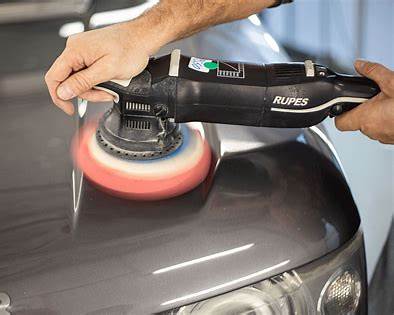
Paint protection products only work as well as the surface beneath them. Paint correction is the step that prepares that surface. Without it, scratches, swirl marks, and dull paint remain visible and get sealed under whatever protection is applied next. This article explains paint correction in detail, why it comes first, and how it relates to paint protection film, ceramic coatings, and vinyl wraps.
What Paint Correction Really Is
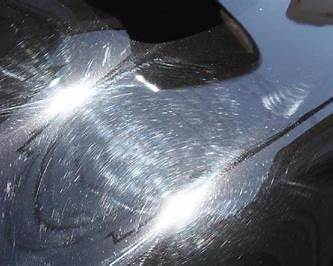
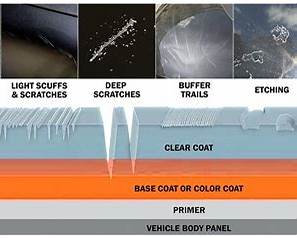
Paint correction is a mechanical polishing process that removes or reduces defects in a vehicle’s clear coat. These defects include:
- Swirl marks from washing
- Light scratches
- Oxidation from sun exposure
- Water spots and mineral deposits
- Haze that makes paint look cloudy
Clear coat is thin. When light hits damaged clear coat, it scatters unevenly, which is why paint looks dull or scratched. Paint correction levels the surface so light reflects evenly again.
This process usually involves:
- Inspection under proper lighting
- One or more polishing stages
- Controlled removal of microscopic clear coat layers
The goal is not to add anything to the paint, but to fix what is already there.
Why Protection Should Never Go on Uncorrected Paint
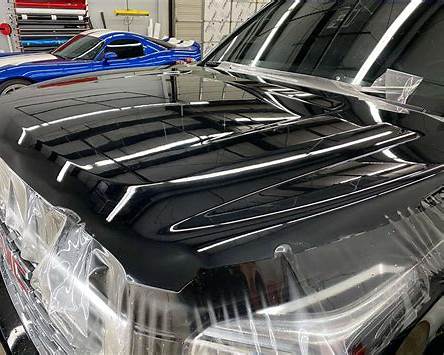
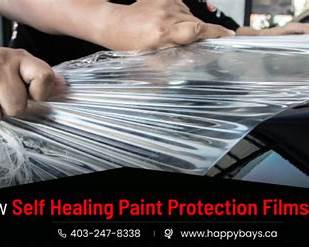
Paint protection film, ceramic coatings, and vinyl wraps are not repair products. They do not remove defects. They preserve the current condition of the paint.
If paint correction is skipped:
- Scratches stay visible under clear films
- Swirl marks become more noticeable under glossy coatings
- Wraps can show texture and imperfections underneath
- Protection may bond unevenly
Once protection is installed, correcting the paint later usually means removing the product first. That adds cost, time, and unnecessary wear.
Paint Correction and Paint Protection Film (PPF)
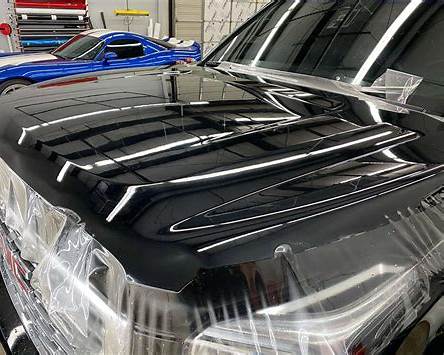

Paint protection film is a thick, clear urethane layer designed to protect paint from physical damage.
What PPF Does
- Absorbs impact from road debris
- Resists scratches
- Self-heals light marks when exposed to heat
- Blocks UV rays that fade paint
PPF is much thicker than coatings and provides real impact protection. However, because it is clear, it shows the condition of the paint underneath.
Why Paint Correction Matters for PPF
- Scratches remain visible under the film
- Trapped defects cannot be polished out later
- Film edges can highlight uneven paint
Best Use Case
- Daily drivers
- Highway commuters
- New or newer vehicles
- Drivers focused on long-term paint preservation
Paint correction ensures the film locks in clean, defect-free paint for years.
Paint Correction and Ceramic Coatings
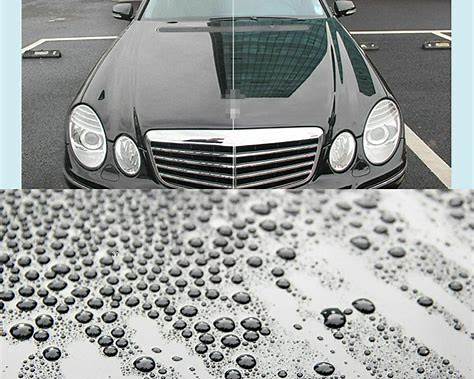
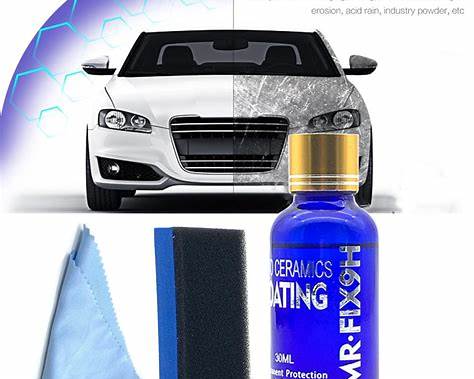
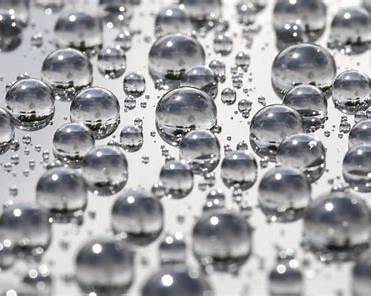
Ceramic coatings are liquid-applied products that chemically bond with clear coat.
What Ceramic Coatings Do
- Create a hydrophobic surface
- Reduce dirt buildup
- Add gloss and depth
- Protect from UV rays, chemicals, and oxidation
Ceramic coatings are thin. They do not hide scratches. Instead, they increase clarity and reflectivity.
Why Paint Correction Matters for Ceramic Coatings
- Gloss highlights swirl marks
- Defects become more visible, not less
- Coating locks in current paint condition
- Bonding strength improves on corrected surfaces
Best Use Case
- Show cars
- Garage-kept vehicles
- Owners who hand wash
- Drivers who want easier maintenance and shine
Paint correction is often the most important part of a ceramic coating job.
Paint Correction and Vinyl Wraps
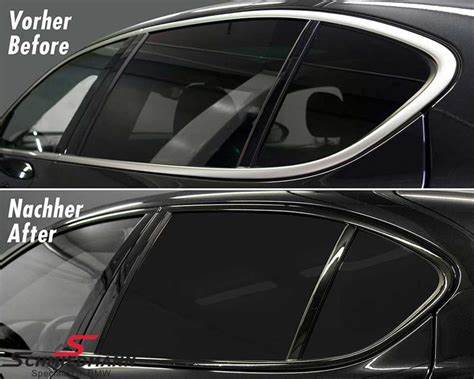
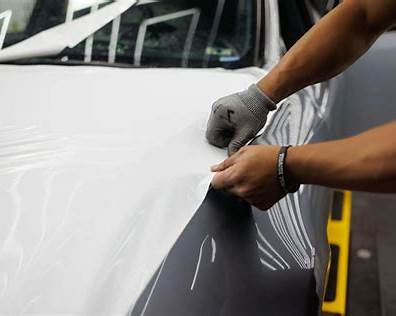
Vinyl wraps are adhesive films used to change a vehicle’s appearance while adding light protection.
What Vinyl Wraps Do
- Change color or finish
- Offer removable customization
- Add a thin protective layer
- Support styles like matte, satin, and gloss
Vinyl is flexible but not forgiving when applied over damaged paint.
Why Paint Correction Matters for Vinyl Wraps
- Scratches can show through lighter colors
- Rough surfaces reduce adhesion
- Imperfections affect wrap longevity
- Poor prep increases lift and edge failure
Best Use Case
- Aesthetic changes
- Temporary color changes
- Chrome delete and blackout styles
- Drivers who want reversibility
Paint correction improves both appearance and durability of wraps.
When Paint Correction Is Most Important
Paint correction should strongly be considered when:
- Swirl marks are visible in sunlight
- The vehicle was washed improperly in the past
- Protection is being applied to high-visibility panels
- The car is new but dealer-washed
- Long-term results are expected
Even brand-new vehicles often arrive with clear coat damage from transport and handling.
Industry Direction in 2025

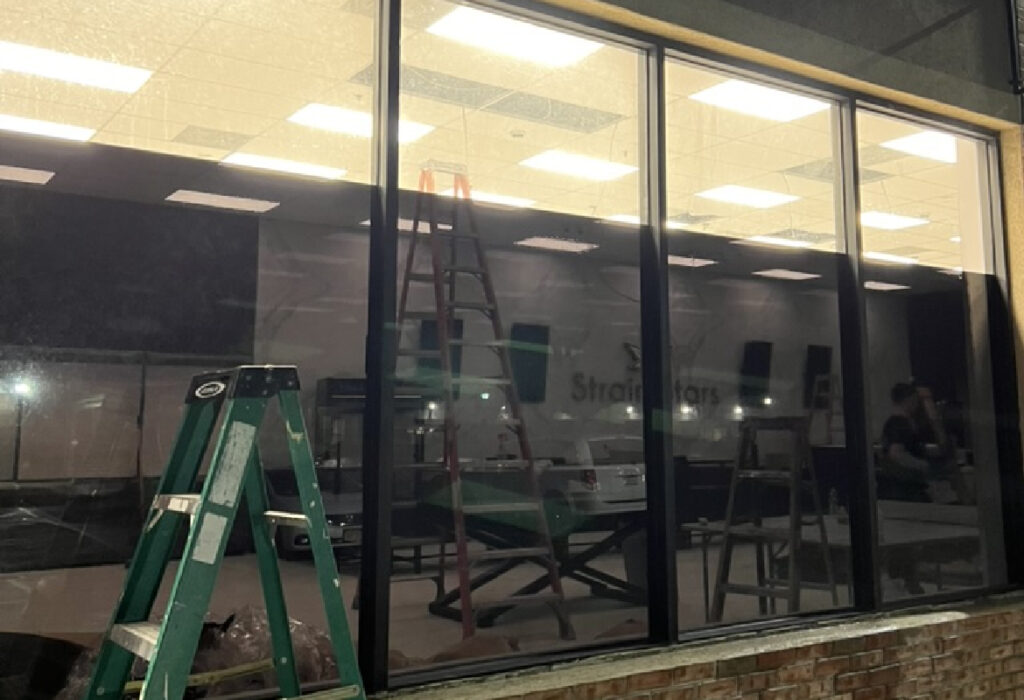
Current industry trends show that professional detailers now treat paint correction as a standard preparation step rather than an optional service. Improvements in ceramic chemistry and protective films have increased durability, but only when surface preparation is done correctly.
Modern coatings and films are designed to last longer, making paint correction more important than ever to avoid sealing defects for years.
When Professional Service Makes Sense at No Stress Auto
If your vehicle has visible swirl marks, scratches, faded paint, or you are planning any type of paint protection, professional preparation matters. Paint correction and surface prep require proper lighting, tools, and experience to avoid removing too much clear coat or leaving uneven results. This is especially important before installing paint protection film, ceramic coatings, vinyl wraps, window tint, or chrome delete finishes, where surface condition directly affects durability and appearance.
No Stress Auto serves drivers across Long Island, NY, including West Babylon, Huntington, Dix Hills, Deer Park, Farmingdale, Brooklyn, and Queens. For owners who want correct prep work, clean finishes, and protection that performs as expected, choosing a professional shop helps avoid costly rework and long-term paint issues.
Final Takeaway
Paint correction is the foundation of any protective treatment. It determines how the vehicle looks, how long protection lasts, and whether the final result meets expectations. Protection products preserve paint; paint correction improves it. Skipping this step means locking problems in place instead of fixing them.